Kukke Subrahmanya Temple: A Complete Visitor Guide
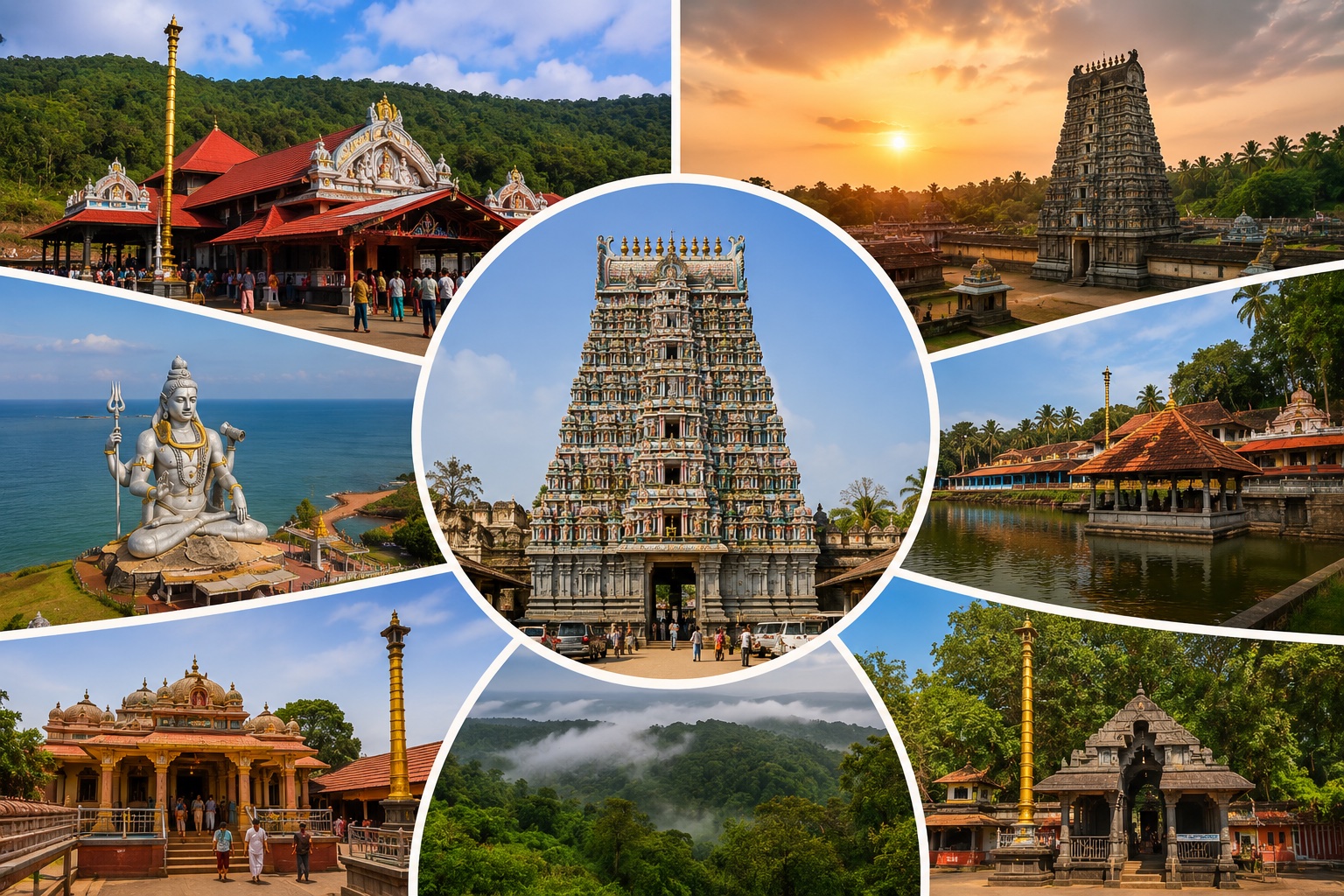
Tucked into a green valley at the foot of the Kumara Parvatha peak, Kukke Subrahmanya is one of the most visited pilgrimage sites in coastal Karnataka. This complete Kukke Subrahmanya temple guide walks you through what makes the shrine so special, the famous serpent poojas people travel across the country to perform, and how to plan a smooth visit from Mangalore.
The image above is representative — swap in your own regional photo later.
The serpent god and the story of Vasuki
Kukke Subrahmanya is dedicated to Lord Subrahmanya (also known as Kartikeya or Murugan), worshipped here in his form as the lord of serpents. According to legend, after the great serpent king Vasuki performed penance, Subrahmanya granted him refuge in the caves of the Kumara Parvatha. To this day the deity is venerated alongside the divine serpents, which is why the temple is regarded as the foremost shrine in India for anyone seeking relief from Sarpa Dosha (also called Naga Dosha) — astrological afflictions associated with serpents.
The setting adds to the atmosphere. The temple sits in dense Western Ghats country, wrapped in forest and fed by mountain streams, so the whole valley feels cool, green and quietly powerful.
Sarpa Samskara and Naga Dosha poojas
The reason many pilgrims specifically choose Kukke is to perform remedial rituals:
- Sarpa Samskara — a detailed pooja performed to atone for harm caused to serpents in past lives and to relieve Sarpa Dosha.
- Naga Prathishta and other serpent-related rituals.
- Ashlesha Bali — a pooja performed on days associated with the Ashlesha star.
These rituals are performed on specific days and often require you to observe fasting or preparatory rules beforehand. Crucially, the popular poojas usually need to be booked in advance with the temple, as slots fill up and some are performed only on set dates. We always recommend confirming the current procedure and availability directly with the temple before you travel, rather than relying on old information — timings and booking rules do change.
The Kumaradhara river bath
Before darshan, many devotees take a ritual dip in the Kumaradhara river, which flows near the temple. The traditional practice is to bathe here first, then proceed to the shrine. The water runs clear and cold off the hills; there's a bathing area with steps, and it's a serene way to begin the visit. During and just after the monsoon the river runs high, so take care and follow local guidance about where it's safe to enter.
Southadka Ganapathi and other nearby stops
Kukke pairs beautifully with a couple of nearby stops that turn a single darshan into a fuller day:
- Southadka Sri Mahaganapathi — an unusual open-air Ganesha shrine set in a field with no walls or roof over the deity, about half an hour from Kukke. It's peaceful, distinctive and well worth the short detour.
- Kukke's own temple tank and sub-shrines are worth a slow wander once you've completed the main darshan.
If you're building a bigger pilgrimage route, Kukke sits naturally on the coastal Karnataka temple circuit alongside Dharmasthala and Udupi.
The drive through the Western Ghats
Part of the pleasure of a Kukke trip is simply getting there. The road climbs from the coastal plain into the folds of the Western Ghats, past areca and coffee country, forest patches and small streams. In the monsoon and the months just after, the landscape is vivid green and often misted — genuinely one of the prettier temple drives in the region. A relaxed, chauffeured journey lets you enjoy the scenery rather than negotiate the bends.
Dress code and temple etiquette
Kukke follows traditional temple customs:
- Men are often expected to remove their upper garment (or wear a dhoti/veshti) for certain rituals and inner darshan.
- Everyone should dress modestly — avoid shorts and sleeveless tops; simple traditional clothing is safest.
- Footwear is left outside, and photography is restricted inside the sanctum.
For a fuller rundown of what to wear and how to conduct yourself, see our guide to temple dress code and etiquette.
Best time to visit
Kukke can be visited year-round, but each season has a character:
- October to February — the most comfortable weather, clear and pleasant.
- Monsoon (June–September) — lush, green and atmospheric, though wet; the river runs full and the Ghats are at their most beautiful.
- Festival days and Shashti are especially significant but far busier.
Weekday mornings are quietest for darshan. For a wider seasonal view, see the best time to visit coastal Karnataka.
Getting there from Mangalore
Kukke Subrahmanya is a comfortable day trip from Mangalore — a few hours each way through scenic Ghats country. Because the poojas can involve early starts, fasting and set timings, most visitors find it far less stressful to travel with a driver who knows the route, the darshan flow and the meal timings, and who can wait while rituals are performed.
We run Kukke as a fixed, all-inclusive journey — a vetted local chauffeur, an air-conditioned car, fuel and tolls included — so you can focus on the darshan and the drive. See the full details on our Kukke Subrahmanya day trip page.
Browse all of our coastal Karnataka day journeys to start planning.