Best Time to Visit Coastal Karnataka (Season by Season)
There's no single "best" time to visit coastal Karnataka — it depends entirely on what you want from the trip. Beach weather, roaring waterfalls and comfortable temple days peak in different seasons. This season-by-season guide breaks down what October to February, the monsoon and summer each offer, so you can time your visit to match the coast, the Ghats or the temples you most want to see.
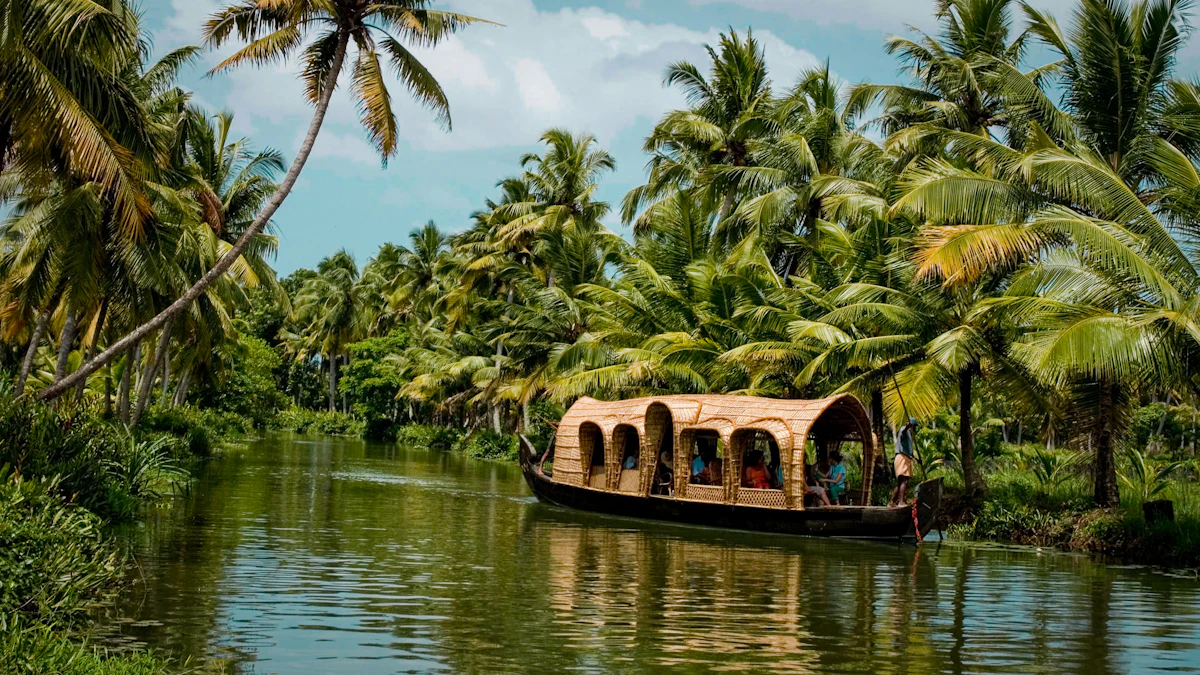
The image above is representative — swap in your own regional photo later.
October to February: the pleasant peak season
For most visitors, this is the ideal window. The monsoon has passed, leaving the landscape green but dry, and the weather is at its most comfortable — warm days, cooler evenings, clear skies and calm seas.
Best for:
- Beaches. The sea is calmer and safer, and boat trips like the one to St Mary's Island from Malpe run in these months. See our best beaches near Mangalore.
- Temples. Comfortable weather for early starts and multi-temple days on the temple circuit.
- Sightseeing and photography. Clear light, good sunsets and easy driving.
The trade-off is that these are the busiest and most popular months, including the festival season and holidays, so temples and beaches can be crowded. Book ahead and start early.
The monsoon (June to September): lush and dramatic
The southwest monsoon transforms the coast and the Ghats. This is the wettest region in the state, and the rain brings the landscape to life — waterfalls thunder, the hills glow green, mist rolls over Agumbe, and the Arabian Sea turns wild and moody.
Best for:
- Waterfalls, which are at their fullest — see our best waterfalls guide.
- The Western Ghats, at their most atmospheric and green; the classic season for Agumbe and the Malnad.
- Fewer crowds and a magical, moody mood — many travellers now come specifically for the rains. See why monsoon is the best time to explore coastal Karnataka.
Keep in mind: heavy rain, slippery roads, leeches on forest trails, and a sea that is unsafe for swimming. Beach and boat activities are largely out. This season rewards those who embrace the rain rather than resist it, and it's much easier with a local team that watches conditions daily.
Summer (March to May): hot and quiet
Before the rains, the coast turns hot and humid, with hazier skies. Inland and up in the Ghats it's a little cooler and more bearable.
Best for:
- Fewer crowds at temples and beaches.
- The coffee blossom in the Malnad after the first pre-monsoon showers (see our coffee estates guide).
- Early-morning and evening activity, avoiding the midday heat.
Keep in mind: the heat and humidity can be tiring, especially for temple days and beach visits, so plan around the cooler parts of the day and stay hydrated.
A quick season-by-activity summary
- Beaches and boat trips: October to February.
- Waterfalls and the green Ghats: the monsoon (June to September) and the weeks just after.
- Temples: comfortable year-round, best October to February; monsoon is atmospheric but wet.
- Coffee estates: October to February for weather, the monsoon for lushness, pre-monsoon for the blossom.
- Fewest crowds: the monsoon and summer.
Match the trip to the season
Once you know when you're coming, it's easier to shape the itinerary — a winter trip leans into beaches and temple days, a monsoon trip into waterfalls and misty Ghats. See our guide to how many days you need in coastal Karnataka to build the plan.
Whatever the season, the smoothest way to travel is with a chauffeur who knows how the weather changes the roads, the seas and the best time of day for each stop. We run every journey as a fixed, all-inclusive trip with a vetted local driver, air-conditioned car, fuel and tolls included.
Browse all of our coastal Karnataka day journeys to start planning.